






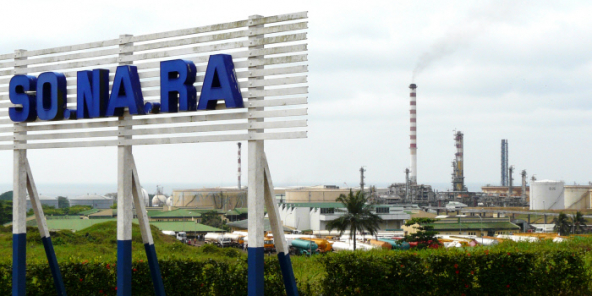
The State of Cameroon has increased its direct stake in the National Refining Company (SONARA) raising its share to 98.09% from 81.95% previously. The change follows a notarized notice dated October 14, 2026, and published by Investir au Cameroun.
This new shareholding structure follows recapitalization operations approved during an Extraordinary General Meeting held on June 17. The company's capital now stands at 3,216,058 shares, of which 3,154,660 are held directly by the State.
The stake held by TotalEnergies Marketing Afrique has dropped from 4% to 0.42%, although the number of shares it holds remains unchanged. Other public shareholders, including the National Hydrocarbons Corporation (SNH), the Hydrocarbon Price Stabilization Fund (CSPH) and the National Investment Corporation (SNI), retain their shares but see their relative weight decrease.
This development primarily reflects a change in the capital structure. On its own, it does not constitute proof of a resumption of production or an immediate improvement in the refinery's industrial performance.
For Cameroon, SONARA holds a strategic position in discussions on fuel supply. The country's ability to locally process crude oil, limit risks linked to imports of refined products, and control supply costs remains a major economic challenge.
Strengthening public ownership could help steer the company's strategic direction and clarify the State's role in its decision-making. However, the success of the restart will also depend on the financing mobilized, the rehabilitation of facilities, governance, and the economic viability of operations.
The next steps will therefore have to be assessed based on concrete factors: industrial timeline, financing of works, state of equipment, and conditions for a return to sustainable operations.
The reshuffling of the shareholder base marks a significant institutional development. Above all, it opens a new phase of questioning about the means needed to make SONARA a high-performing and reliable industrial tool serving national energy security.
A lire aussi
Or du Cameroun : l’Etat veut encaisser plus en 2027, les communes restent à









Laisser un commentaire