


Accueil Actualités Cameroon: State shareholding in SONARA hits 98.09%
ActualitésPétrole & Gaz

Cameroon: State shareholding in SONARA hits 98.09%

The recapitalization of the National Refining Company strengthens the direct stake of the Cameroonian state in the company. This move comes as the restart of the Limbé plant and securing fuel supply remain key challenges for the country.

Partager
La recapitalisation de la Sonara renforce la participation directe de l’État camerounais dans l’entreprise.
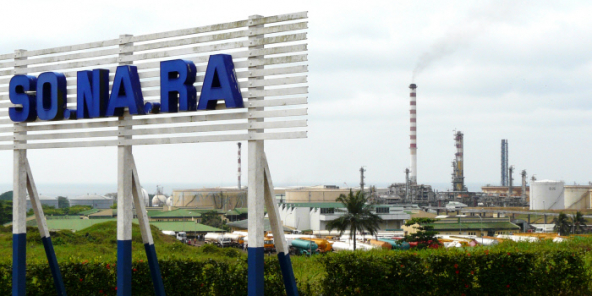
Siège de la Sonara
Partager

The State of Cameroon has increased its direct stake in the National Refining Company (SONARA) raising its share to 98.09% from 81.95% previously. The change follows a notarized notice dated October 14, 2026, and published by Investir au Cameroun.

This new shareholding structure follows recapitalization operations approved during an Extraordinary General Meeting held on June 17. The company's capital now stands at 3,216,058 shares, of which 3,154,660 are held directly by the State.

The stake held by TotalEnergies Marketing Afrique has dropped from 4% to 0.42%, although the number of shares it holds remains unchanged. Other public shareholders, including the National Hydrocarbons Corporation (SNH), the Hydrocarbon Price Stabilization Fund (CSPH) and the National Investment Corporation (SNI), retain their shares but see their relative weight decrease.

This development primarily reflects a change in the capital structure. On its own, it does not constitute proof of a resumption of production or an immediate improvement in the refinery's industrial performance.

For Cameroon, SONARA holds a strategic position in discussions on fuel supply. The country's ability to locally process crude oil, limit risks linked to imports of refined products, and control supply costs remains a major economic challenge.

Strengthening public ownership could help steer the company's strategic direction and clarify the State's role in its decision-making. However, the success of the restart will also depend on the financing mobilized, the rehabilitation of facilities, governance, and the economic viability of operations.

The next steps will therefore have to be assessed based on concrete factors: industrial timeline, financing of works, state of equipment, and conditions for a return to sustainable operations.

The reshuffling of the shareholder base marks a significant institutional development. Above all, it opens a new phase of questioning about the means needed to make SONARA a high-performing and reliable industrial tool serving national energy security.

A lire aussi

Or du Cameroun : l’Etat veut encaisser plus en 2027, les communes restent à
Partager

Laisser un commentaire

Leave a Reply

Your email address will not be published. Required fields are marked *

À lire aussi
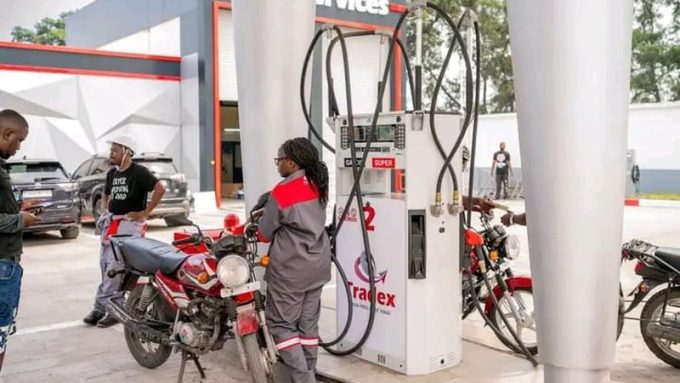
Pompiste Tradex servant des motards à la station Kingabwa à Kinshasa RDC
ActualitésPétrole & Gaz

RDC : le pétrolier camerounais Tradex ouvre sa première station à Kinshasa

 (Watt Infos) – Cap sur l'Afrique centrale. Tradex République Démocratique du Congo...

TRADEX célèbre 20 ans premières stations-service - station Nkolbikok by night
ActualitésPétrole & Gaz

Tradex – 20 ans de ses premières stations : le réseau camerounais célèbre deux décennies de proximité

Vingt ans. C'est l'âge que célèbre Tradex pour ses premières stations-service, pionnières...

Prévue ce 23 octobre, l'ouverture des offres pour 10 MW thermiques dans le Grand Nord est reportée au 30 octobre. 9,4 milliards FCFA pour une urgence qui illustre la crise du Réseau Interconnecté Nord (RIN).
ActualitésÉlectricité

Grand Nord du Cameroun : les 10 MW à 9,4 milliards FCFA reportés, le Nord reste dans le noir

Prévue ce 23 octobre, l'ouverture des offres pour 10 MW thermiques dans...

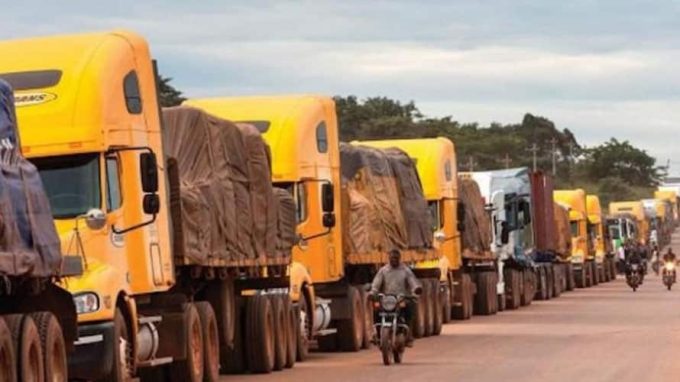
Le transport de produits pétroliers entre le Cameroun et la République centrafricaine a repris après deux semaines de grève de transporteurs, selon les informations rapportées le 21 octobre. L’immobilisation de centaines de camions-citernes avait perturbé le ravitaillement du marché centrafricain. La reprise constitue un signal positif pour la logistique régionale, mais son effet dépendra de la régularité des convois et de la capacité des opérateurs à résorber les retards accumulés.
ActualitésPétrole & Gaz

Carburants : reprise du trafic des camions-citernes entre le Cameroun et la Centrafrique

Le transport de produits pétroliers entre le Cameroun et la République centrafricaine...